Understanding Access, Privacy and Personal Control in Online Sports and Gaming Accounts
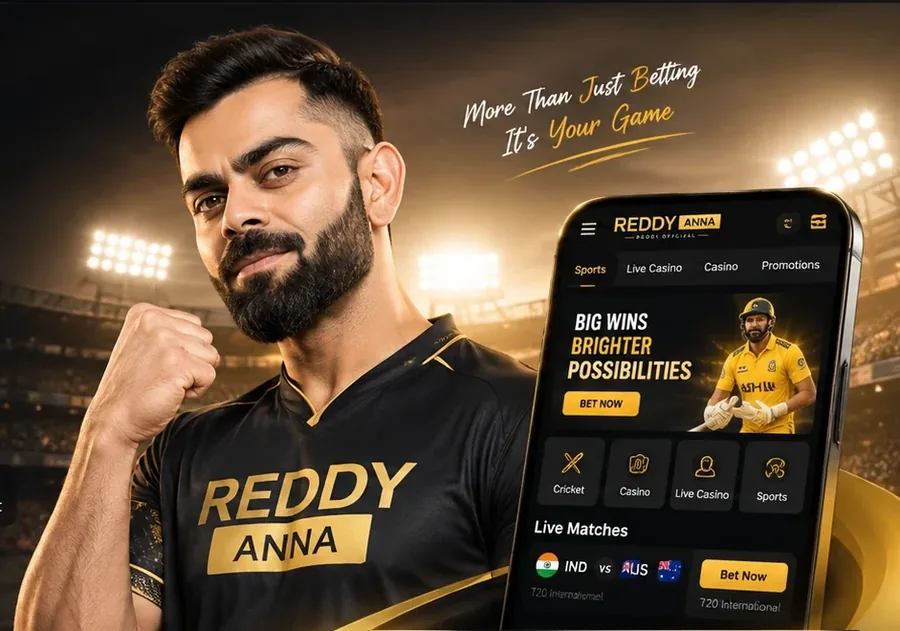
Using an online sports and gaming account can involve much more than simply entering a username and password. The information associated with an account may include personal details, identification records, previous activity and transaction information, depending on the provider. This makes account access a practical decision about privacy before it becomes a choice about entertainment. People following cricket or enjoying online games should establish what information is requested, what the account terms permit and how they can stop participating. A careful assessment begins by examining the relationship between the user and the operator, including the responsibilities accepted by both parties. Familiar branding, confident promotional messages and an uncomplicated sign-up process are not enough to resolve these concerns.
Separate Following Sport from Financial Participation
Cricket content, match discussions, prediction activities and money-based betting may appear alongside one another, although they involve different commitments. Checking a score or discussing a team does not carry the same financial exposure as placing money on a particular outcome. Before considering any account, establish precisely what the service provides. Does the service provide information, recreational games, paid competitions or betting features? Descriptions such as “sports platform” may not clearly distinguish between these activities. The important question is what a person actually does through the service, how much they might pay and what they could potentially lose. Understanding the nature of participation should come before evaluating how the service is presented.
A strong interest in cricket can make services connected with the sport seem familiar and reassuring. Nevertheless, understanding cricketers, playing surfaces and previous tournaments does not make match outcomes certain. Surprising individual performances, weather-related delays and developments during play may all affect the outcome. Confidence in sporting knowledge should therefore remain separate from expectations about financial returns. Any suggestion that returns can be predicted reliably should be treated with caution. Money allocated to entertainment should not depend on an assumption that future activity will compensate for earlier losses. If a particular outcome is needed to keep essential expenses affordable, the financial commitment is already inappropriate.
What an Online Gaming Account Identifier Really Means
An account identifier is generally a reference used to connect activity with a specific user profile. Such an identifier can help separate one user from another, support administrative processes or be included in records of transactions. However, an identifier alone does not establish that an operator is trustworthy or that its activities are appropriate. Terms including “cricket account” and “gaming ID” describe how access is organised, not independent standards demonstrating service quality. A clear account explanation should identify who controls the profile, whether security settings can be changed and how access can be recovered. When ownership is unclear, interrupted access and the need to update personal details can become particularly complicated.
Accounts managed through another person require especially careful examination. If another person selects the password, maintains recovery access or manages the information linked to the profile, the person using the account may have little effective control. Allowing multiple people to access the same profile may make it difficult to determine who carried out a particular action. An individual account should not automatically be considered something that can be transferred without examining the governing terms. Do not presume that an account reference obtained through an informal arrangement provides the same safeguards as a profile created and controlled directly by the user. What matters is whether the account user has the independent ability to secure the profile, restore access and arrange closure.
Read the Rules That Could Change Your Decision
Lengthy account terms can be challenging to evaluate, so begin with the provisions that have direct practical consequences. These include eligibility requirements, account suspension, identity verification, charges, balance adjustments and dispute procedures. Check whether the terms distinguish between different activities and whether promotions are governed by additional conditions. Clear conditions should explain what happens if the operator considers an account inactive, duplicated or inconsistent with its requirements. A general promise of convenience is less informative than a precise explanation of what may happen to an account and its associated funds. If a significant condition cannot be understood, the resulting uncertainty deserves consideration before participation.
Revisions to the conditions governing an account are another important consideration. A user may agree to one set of rules and subsequently encounter different requirements. Examine the way amendments are communicated, the date they take effect and the options available to users who wish to discontinue participation. Where financial commitments exist, retaining a record of the applicable account terms may be useful. Such records can help distinguish the original agreement from interpretations or expectations formed later. Even with a record of the terms, there is no assurance that a dispute will be settled in the user's favour. The purpose is to maintain clarity about the conditions reviewed, unresolved questions and commitments actually undertaken.
Examine Privacy Requirements Before Submitting Identity Details
Certain account procedures may require information to confirm identity or eligibility. Prior to providing personal information, determine the purpose of every requested detail, its intended use and the period for which it may be retained. Requests for identity documents should have clearly stated purposes rather than relying on general references to verification. Review whether there is a clear explanation of who can access the information, how errors can be corrected and what deletion procedures apply. Sharing more information than necessary may increase privacy exposure without making the account more secure. A person should understand which details are genuinely necessary for the stated requirement and which may be requested only because an additional form field exists.
Document storage and handling should be examined just as carefully as the reason for requesting the information. An image of an identity document may contain a photograph, birth date, identification number and other personal details in one place. This combination may be more sensitive than an ordinary account name. Avoid providing documents through unexplained channels or allowing another person unrestricted access to personal files. If an unfamiliar documentation request arises during account recovery or a financial disagreement, stop and reconsider why it has appeared. Pressure to respond immediately is not a substitute for a clear explanation. After sensitive details have been shared, regaining control of that information can be much harder than changing login credentials.
Protect Both Account Login and Recovery Arrangements
A strong password is valuable, but proper account protection also depends on the procedures available when access is lost. Choose a unique password that is not reused for other services, and activate additional authentication wherever it is available. The person who owns the account should retain control over its recovery settings and methods. Information may still be exposed through devices used by multiple people, saved sessions or visible alerts, even if nobody else knows the password. When using a shared device, end the account session afterwards and verify that credentials have not been retained. Effective security comes from combining appropriate account settings with consistent everyday habits, not merely enabling one feature during registration.
Never share a one-time authentication code with someone who claims it is required to secure or repair an account. A one-time code can permit access or approve an activity that affects account security. If an authentication prompt appears without explanation, pause before taking further action and consider what triggered it. Repeated failed login attempts, unfamiliar devices and unexplained changes to recovery settings are also reasons for concern. Where unauthorised access is suspected, prioritise securing associated login information and preserving records of the unusual activity. Avoid hurriedly creating reddy anna multiple replacement accounts, as this may complicate ownership, activity records and subsequent explanations.
Evaluate Promotional Balances Separately from Usable Money
Promotional balances may resemble ordinary money while being subject to substantially different conditions. A promotional benefit may involve eligibility conditions, deadlines, usage limitations or further spending requirements. Assess the full conditions of an offer instead of focusing on the largest figure being advertised. Establish the steps required to make a reward usable and consider whether fulfilling them would involve taking on additional financial risk. A promotion has limited practical value when its conditions do not suit the person's intended activities. Participation should not increase merely because a reward is available or an offer is described as temporary.
In the same way, an account balance displayed within a service does not necessarily represent funds immediately usable for everyday expenses. Depending on the service's terms, transaction processing, identity checks and account restrictions may influence when money can be accessed. Recognise the difference between transactions that have been requested, those still pending and those already completed. Keep household finances separate from entertainment spending, and never rely on an uncertain payment to meet necessary obligations. When access to a balance is unexpectedly made conditional on another payment, pause and scrutinise the explanation before proceeding. Making further payments in an attempt to resolve an unclear issue can compound the original risk without providing any certainty that the funds will become accessible.
Decide on Time and Spending Limits in Advance
Limits on participation generally work best when they are decided before the activity starts. Think about both financial expenditure and time commitments, including how participation might affect rest, work responsibilities, personal relationships and other activities. Money is suitable for entertainment only when losing it would not interfere with necessary expenses or obligations already in place. Loans and money allocated to essential needs remain unsuitable for financial participation, regardless of how confident someone feels about a match outcome. Boundaries around time are just as important, since ongoing monitoring may demand attention well beyond the end of a planned session. Established limits should remain unchanged during periods of excitement rather than being adjusted after individual results.
Warning signs may include attempting to recover losses, concealing participation, borrowing money to continue and constantly thinking about another session. Frustration when stepping away and regularly extending previously established boundaries can suggest that personal control is weakening. Tools such as participation reminders, account suspension options and self-exclusion arrangements can help when available, but they are not substitutes for assessing personal behaviour. If maintaining control becomes difficult, withdrawing from the activity is a sensible practical step. Assistance from a trusted individual or qualified professional may help address the wider consequences without depending on another match or game to reverse the situation.
Assess Operator Accountability Through Clear Processes and Documentation
An operator's accountability becomes easier to evaluate when a problem arises. Effective processes explain the recording of problems, the details needed to investigate them and the arrangements for reconsidering a decision. General promises of assistance reveal less than a clearly organised resolution process. Prior to participation, assess whether there are clear processes for handling profile errors, disagreements about account activity and requests to close an account. When reporting a problem, concentrate on a precise and factual explanation of what happened. Relevant dates, amounts, transaction stages and the particular action being questioned are more helpful than guesses about someone's intentions. Organised records can help establish a coherent description of events even if the eventual outcome is uncertain.
The arrangements for closing an account deserve examination before anyone signs up. Establish if closing a profile ends access straight away, what happens to unresolved issues and whether certain records must remain stored. Closing an account and deleting personal information are different processes, so completing one should not be assumed to complete the other. Eligibility conditions also require independent consideration, since successful registration does not resolve every question about whether participation is appropriate. If age limits, geographical conditions or restrictions on certain activities are uncertain, a completed online registration should not be treated as adequate assurance. Technical access to a service and a clear understanding of whether participation is permitted are separate matters.
Conclusion
Assessing an account used for online sports and gaming means examining access arrangements, privacy responsibilities and possible monetary risks as connected issues. Essential considerations include what the operator actually offers, who controls the account, the reasons for requesting personal data and the procedures for stopping participation. Understandable conditions, careful account security habits and firm boundaries support better-informed decisions than promotional enthusiasm or recognition of a service's name. A person's understanding of cricket can enhance their enjoyment of matches without making money-based participation necessary. If important requirements have not been clarified, delaying participation can preserve control over personal information and future decisions. Online account participation should fit a person's knowledge, circumstances and boundaries from the beginning, instead of requiring an unnecessary problem to reveal where those boundaries should have been.